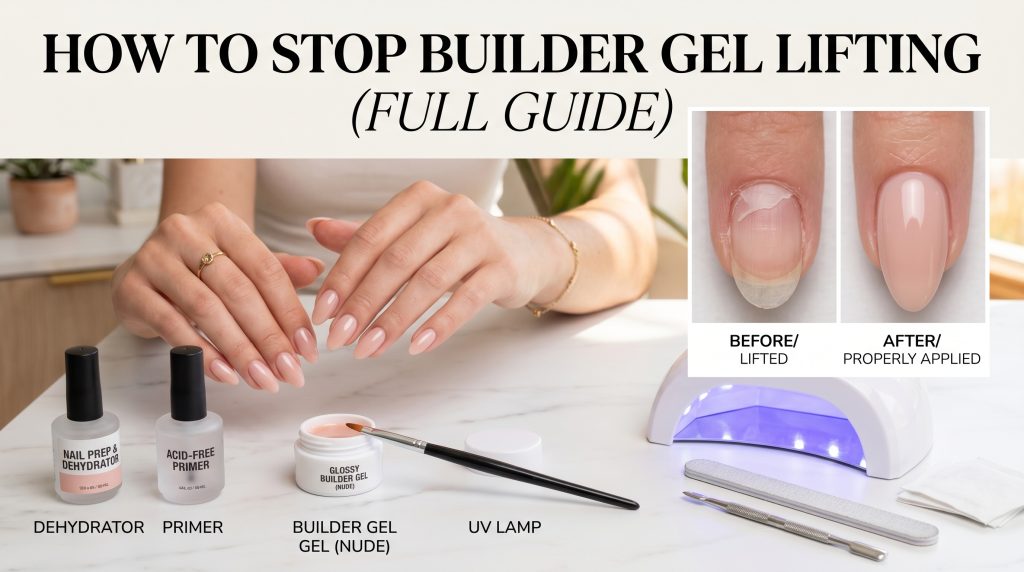
Perfect glossy nails can look incredibly tempting online, especially when Russian Manicure trends flood Pinterest and TikTok with flawless cuticle lines and mirror-like shine. But behind that polished finish, there are important nail health risks many women do not hear about until damage already happens.
This article explores the hidden concerns linked to aggressive cuticle work, over-filing, builder gel pressure, and repeated salon treatments. You’ll also discover practical ways to protect your natural nails while still enjoying beautiful manicures that feel modern, elegant, and long-lasting. I’ve noticed many people focus only on how stunning these manicures look without understanding how much technique and hygiene actually matter.
In my experience, the healthiest nails usually come from balance rather than chasing perfection every few weeks. That’s why this guide combines real-world nail care insights with visually inspiring manicure ideas, helping you recognize warning signs, choose safer salon habits, and understand which styles may work best for your lifestyle. Whether you love chrome finishes, clean nude nails, or structured builder gel looks, this article will help you make smarter beauty choices while keeping your nails healthy, strong, and Pinterest-worthy at the same time.
Russian Manicure Risks Every Woman Should Know
Perfectly polished nails are everywhere right now, and one beauty trend getting massive attention is the Russian Manicure look. The ultra-clean cuticle finish, glossy surface, and long-lasting wear make these manicures incredibly appealing on Pinterest and TikTok. Many women love how smooth and detailed the final result appears, especially when paired with builder gel or chrome finishes. However, behind the flawless aesthetic, there are also important nail health concerns worth understanding before booking your next appointment.
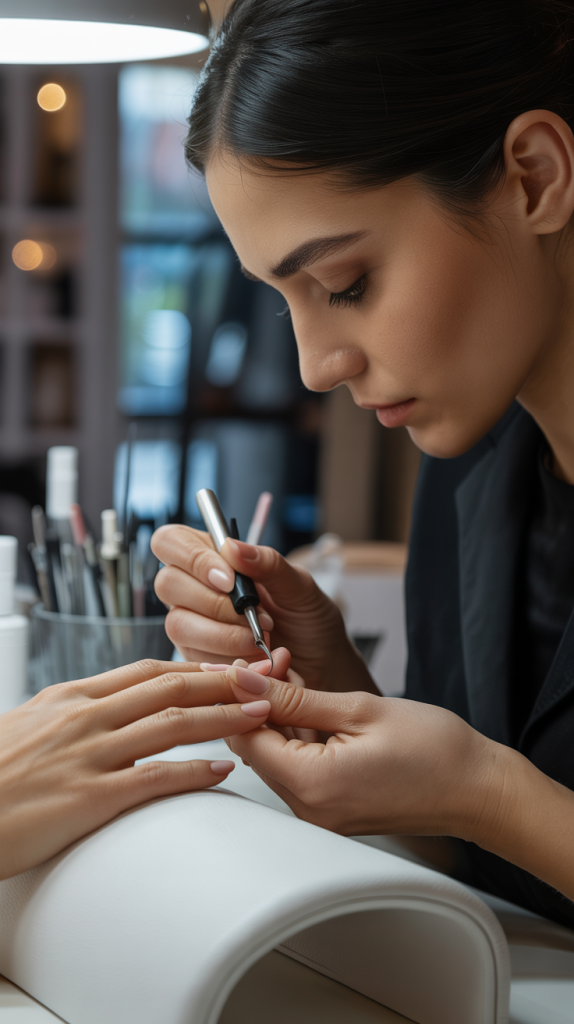
Unlike traditional manicures, this technique often uses an electric file around dry cuticles to create a very precise finish. Dermatologists and nail experts warn that aggressive filing or excessive cuticle removal can increase the risk of irritation, thinning, and infections if done incorrectly. (LegalClarity) That does not mean every salon experience becomes dangerous, but it does mean skill, hygiene, and moderation matter far more than many people realize.
One reason these manicures became so popular is the incredibly neat appearance around the nail edges. Polish can sit closer to the cuticle line, making nails appear freshly done for longer periods. I’ve noticed many people choose this style before vacations, weddings, or special events because the glossy finish stays polished for weeks. Still, long-term nail health should always matter more than temporary beauty trends, especially when repeated filing starts weakening the natural nail plate over time.
Over-Filing Damage
One of the biggest concerns involves over-filing during nail preparation and removal. Electric file tools can quickly thin the nail plate if used with too much pressure or poor technique. Experts note that repeated filing may cause peeling, cracking, brittleness, and sensitivity over time.
Many people only notice the damage after removing gel or builder products. Nails can suddenly feel paper-thin, painful, or overly flexible. Reddit users frequently describe white patches, heat sensitivity, and soreness after aggressive salon prep sessions. In my experience, the safest salons always prioritize gentle prep instead of chasing an overly perfect cuticle line.
Cuticle Removal Risks
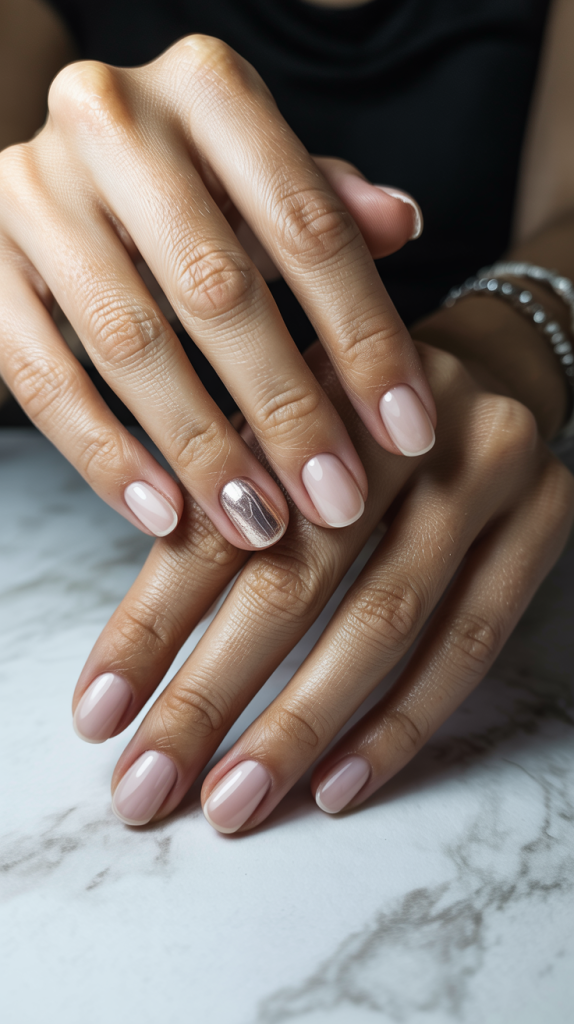
The cuticle acts as a protective barrier between your nail and surrounding skin. When too much skin gets removed, bacteria and fungi can enter more easily, increasing infection risks. Dermatologists strongly caution against aggressive cuticle cutting because it may lead to inflammation, tenderness, and painful infections.
That extremely clean “cuticle-free” appearance might look luxurious online, but healthy nails still need protection. I’ve seen this work safely when experienced nail artists carefully preserve living tissue instead of removing everything aggressively. Skilled technicians know the difference between cleaning dead skin and damaging the protective nail fold, which makes salon selection incredibly important.
Builder Gel Pressure
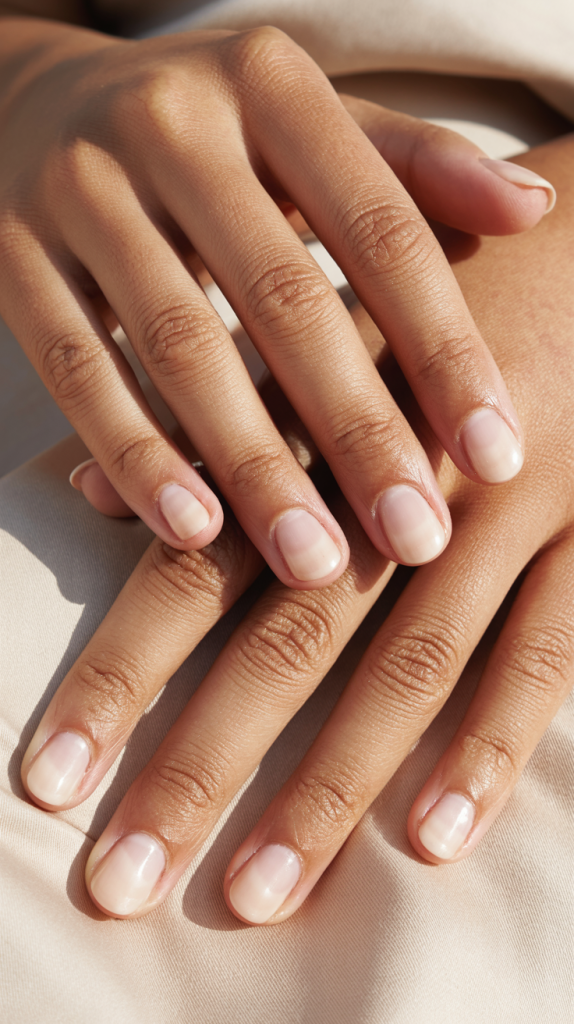
Builder gel often gets paired with Russian-style nail prep because it creates a smooth structured finish that lasts longer. While builder products can strengthen weak nails temporarily, repeated heavy application and harsh removal may eventually weaken the natural nail underneath.
Some people also notice bulky or uncomfortable results when too much product is applied. I’ve noticed thinner layers usually look more elegant and natural, especially on short nails. A properly balanced structure should support the nail without creating thick, heavy-looking extensions that feel awkward during everyday activities like typing or opening packages.
Chrome Surface Stress
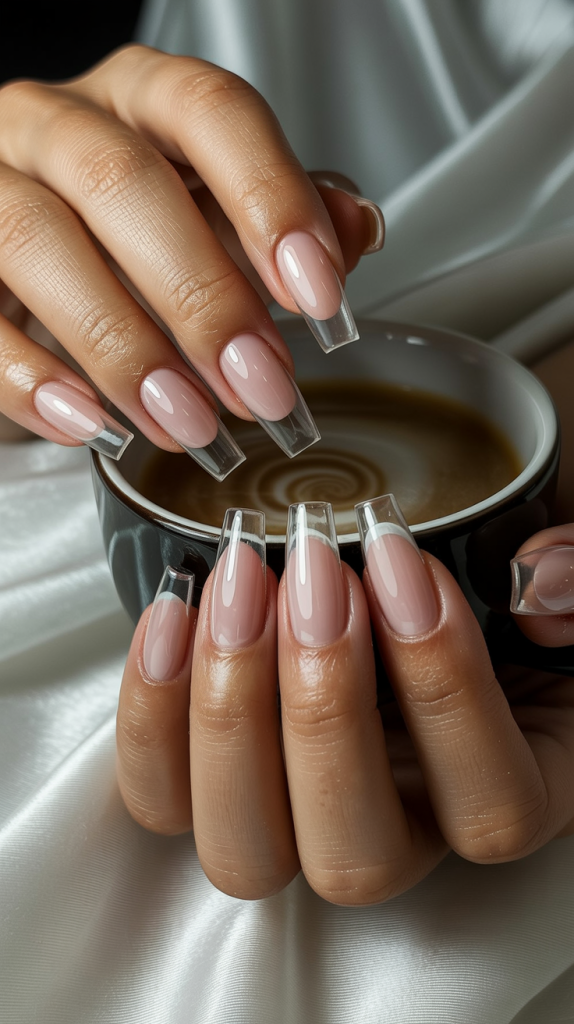
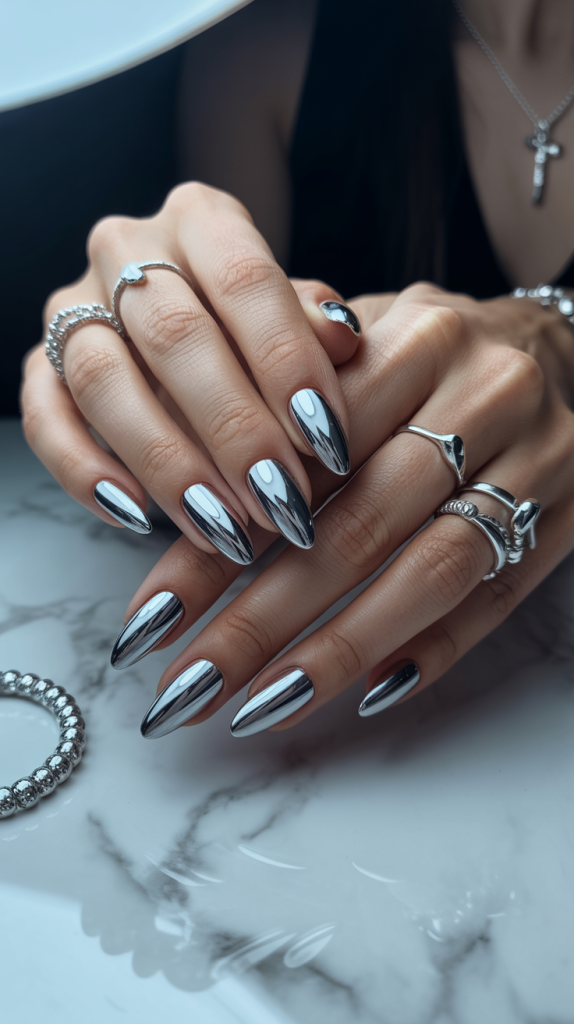
Chrome manicures look incredibly striking because the reflective finish highlights every detail of the nail surface. However, chrome powders often require very smooth gel layers underneath, which can encourage extra filing and buffing during prep. Over time, repeated surface thinning may leave nails weaker and more sensitive. (Nailicy)
That glossy mirror effect photographs beautifully under natural lighting, especially with almond nail shapes and silver tones. Still, many nail artists recommend taking occasional breaks between heavily buffed manicures to help nails recover naturally. Hydrating oils and strengthening treatments can also reduce dryness after repeated gel or chrome applications.
UV Lamp Exposure
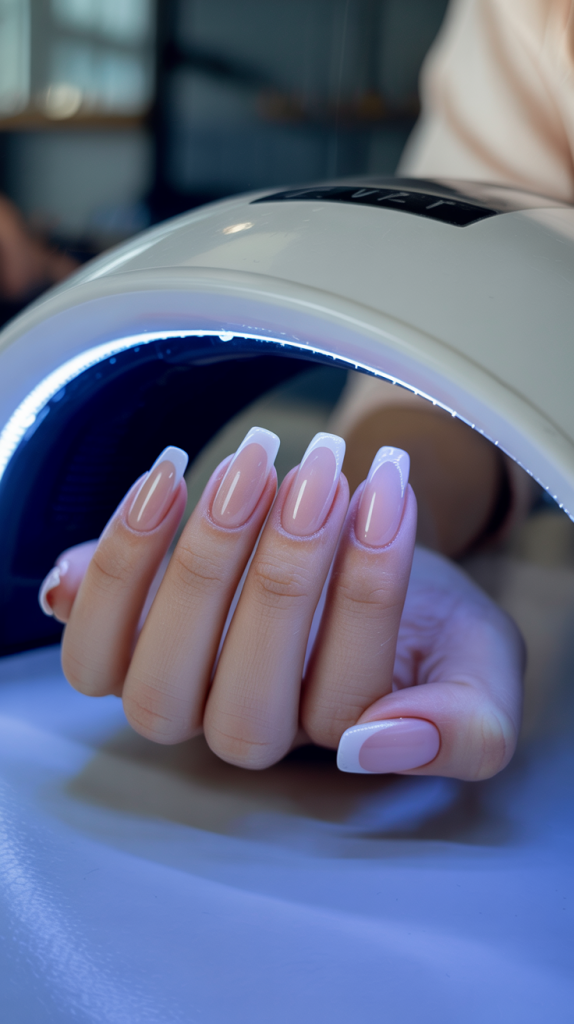
Gel manicures usually require UV or LED curing lamps to harden the polish. Current research suggests the overall risk remains low, but dermatologists still recommend sunscreen or protective gloves during frequent appointments because repeated UV exposure may contribute to premature aging over time.
Many people forget that manicure appointments become recurring beauty habits rather than occasional treatments. Small exposures can add up across years of appointments. That’s why many professionals recommend applying SPF to the hands before gel sessions, especially if you regularly get hard gel, chrome, or long-lasting salon manicures every few weeks.
Infection Concerns
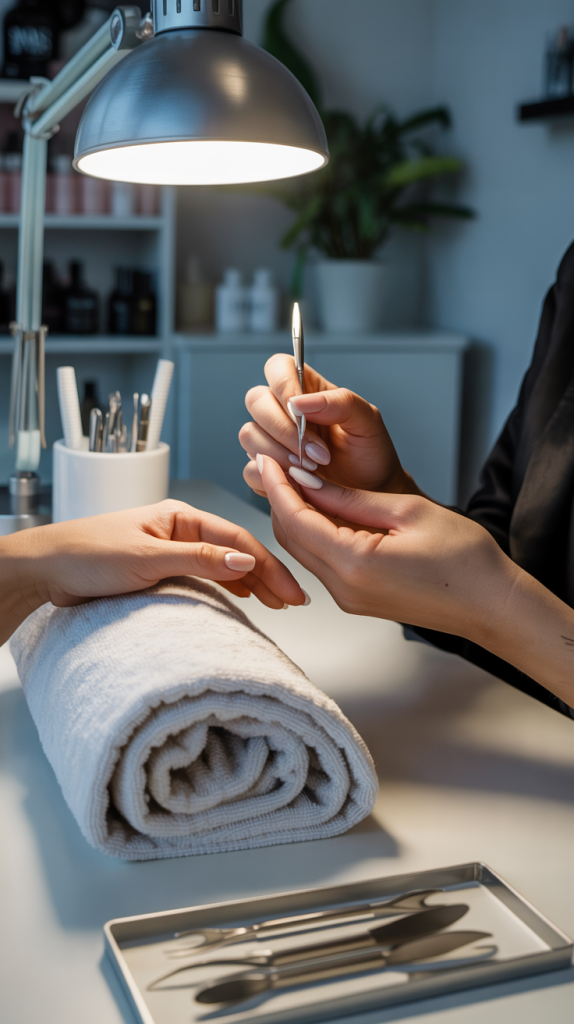
Salon hygiene matters more than most people realize. Unsanitized drill bits, cuticle tools, or reused equipment can increase the risk of bacterial and fungal infections. Experts consistently stress the importance of sterilized tools and proper salon cleaning procedures.
If your skin feels painful, starts bleeding, or becomes swollen after an appointment, those are signs something may have gone too far. Healthy manicures should never feel intensely painful during the process. In my experience, the safest nail technicians work slowly, explain every step clearly, and never rush aggressive e-file work around sensitive skin.
DIY E-File Mistakes
At-home tutorials have made DIY Russian manicure techniques more common, but electric files can damage nails quickly without proper training. Many beginners accidentally over-file the nail plate or cut surrounding skin while trying to recreate salon-quality results.
Reddit discussions frequently mention sensitivity, thinning, and uneven nail texture after home removal attempts. (Reddit) I’ve tried beginner-friendly nail kits before, and slower manual prep methods usually feel much safer than rushing through aggressive drill techniques at home.

Long-Term Weakness
Repeated gel applications without breaks can gradually weaken nails, especially when combined with frequent buffing and harsh removal methods. Dermatologists often recommend taking recovery periods if nails become thin, dry, or sensitive. (American Academy of Dermatology)
Healthy nails should feel firm yet flexible, not painfully thin or overly soft. I’ve noticed regular cuticle oil and hydration make a huge difference after long periods of salon manicures. Small recovery habits can help nails regain strength while still allowing occasional gel treatments for special occasions.
Safer Salon Habits
Choosing an experienced technician may be the most important step for protecting nail health. Skilled professionals understand how to minimize pressure, avoid over-filing, and preserve healthy skin around the nails. They also prioritize sanitation and proper product application instead of focusing only on dramatic results.
Many women feel pressured to keep perfect nails constantly, especially after seeing flawless Pinterest photos online. However, healthy nails often look more beautiful long term than damaged nails hidden beneath layers of builder gel. Asking questions, checking certifications, and paying attention to hygiene standards can make a major difference.
Gentle Recovery Routine
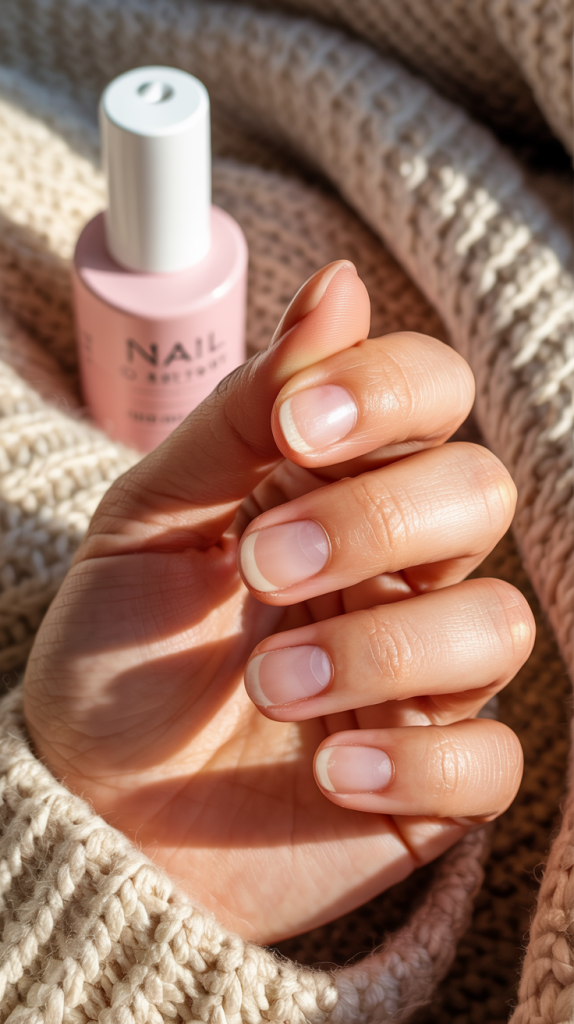
If your nails already feel weak or damaged, recovery should focus on hydration and reduced filing. Cuticle oils, strengthening treatments, shorter nail lengths, and manicure breaks often help restore healthier texture over time. Experts also recommend avoiding peeling gel products off manually because that can strip additional nail layers. (American Academy of Dermatology)
The good news is most manicure-related damage improves gradually with proper care and patience. Healthy nails rarely recover overnight, but consistent protection makes a noticeable difference within several weeks. Sometimes the most beautiful manicure choice is simply allowing your natural nails time to heal fully.
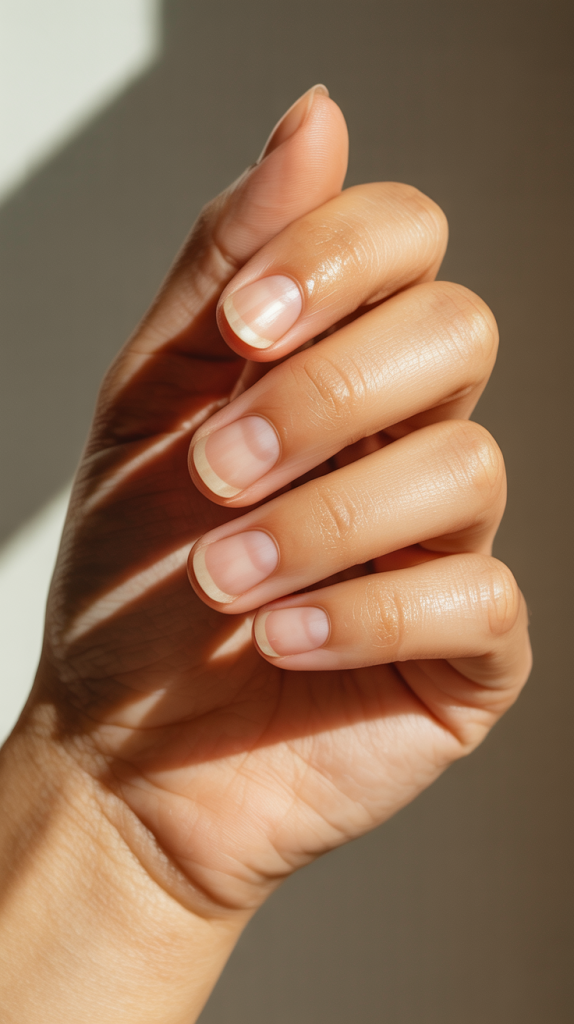
Russian manicure trends continue growing because the results can look incredibly sleek, modern, and long-lasting. Still, understanding the risks helps you make smarter beauty choices without sacrificing nail health. Beautiful nails should never come at the cost of pain, infections, or long-term damage. With careful salon selection, gentle maintenance, and occasional recovery breaks, it’s possible to enjoy elegant manicures while still protecting your natural nails for the future.
Conclusion
Beautiful nails should feel empowering, not damaging. While Russian Manicure styles can create an incredibly clean and luxurious look, understanding the risks helps you protect your natural nails without giving up stylish manicures completely. Small choices like choosing skilled technicians, taking recovery breaks, and avoiding aggressive filing can make a huge difference over time.
I’ve seen how healthier nail habits can completely improve the way manicures look and last. Save this article on Pinterest for your next salon visit, try safer nail care routines yourself, and share these tips with friends who love glossy builder gel, chrome finishes, or ultra-clean nail trends. Healthy nails always create the most beautiful foundation.

Skilled content writer with more than five years of experience.